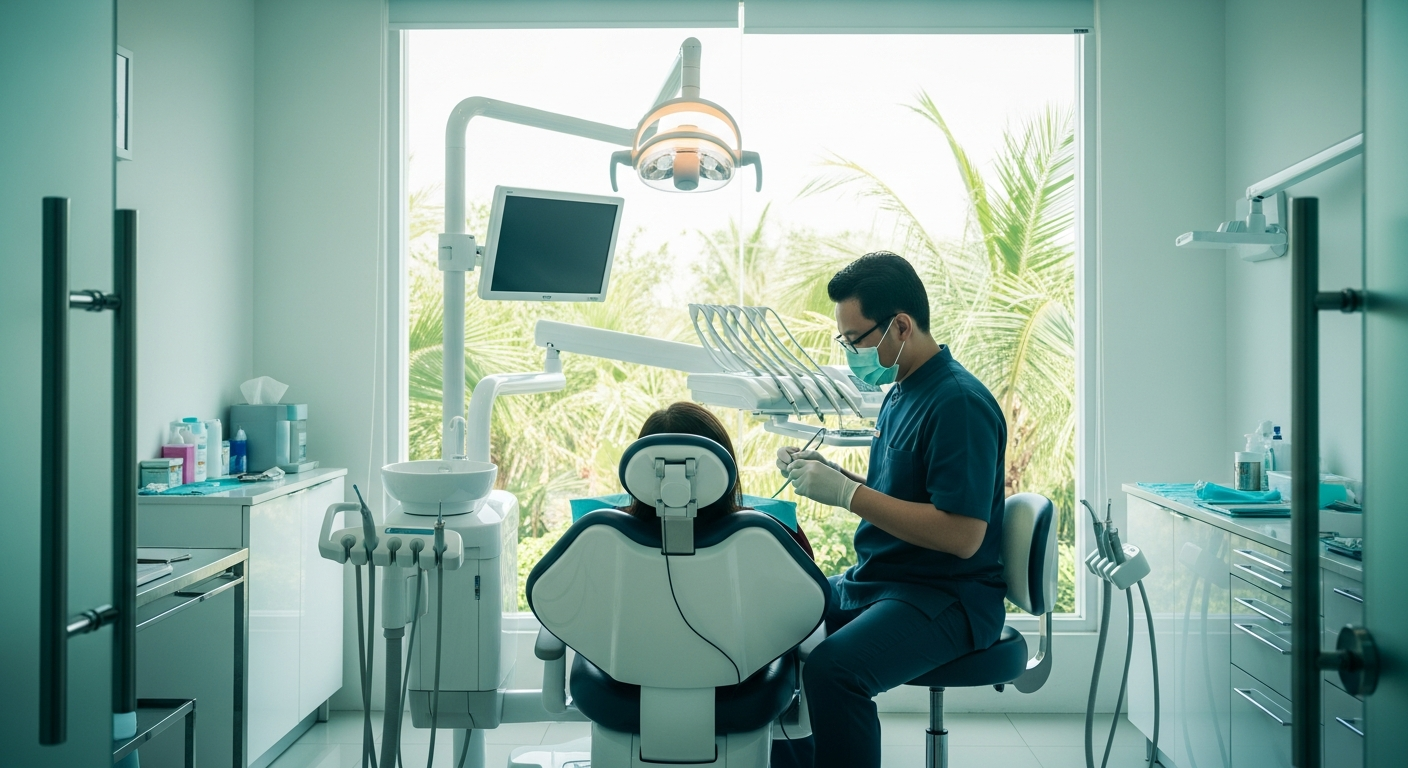
The morning air in Bali carries the scent of frangipani and a promise of clarity. Sunlight filters through palm leaves as you consider a journey for health and revitalization, a precise alignment of timing and medical excellence. Indonesia, a vibrant archipelago, offers world-class medical tourism, but discerning travelers understand that timing is key to maximizing both treatment efficacy and personal comfort.
The Dry Season Advantage: May to September for Optimal Comfort
From May to September, Indonesia experiences its dry season, a period characterized by abundant sunshine, lower humidity, and minimal rainfall across most of its major islands, including Bali, Java, and Sumatra. This weather pattern presents the ideal window for international medical tourists seeking procedures in destinations like the Sanur Medical Special Economic Zone (KEK Kesehatan Bali). Established under Presidential Regulation No. 41 of 2022, the Sanur SEZ is a 41.3-hectare zone dedicated to integrated health and wellness, offering a range of services from advanced diagnostics to regenerative medicine. During these months, average temperatures in Bali hover around 28°C (82°F), creating a comfortable environment for post-procedure recovery and exploration. Travel logistics are smoother; domestic flights between Jakarta and Denpasar, for instance, typically operate without weather-related delays, ensuring seamless transitions for patients with multi-city itineraries. For those considering dental procedures, cosmetic surgeries, or IVF treatments, the dry season minimizes concerns about humidity affecting recovery sites or outdoor activity limitations. Patients from Australia find Bali particularly accessible during this time, with direct flights from Perth to Denpasar taking approximately 3 hours 40 minutes. The stability of the dry season also supports a more predictable schedule for follow-up appointments and allows for greater flexibility in enjoying wellness retreats or detox programs that often integrate outdoor elements. High-quality clinics within the Sanur SEZ, many operating under international certifications like JCI (Joint Commission International), maintain consistent service levels, but patient comfort during travel and recuperation is undeniably elevated during these drier months. Planning for this period ensures a less stressful and more enjoyable medical journey.
Navigating the Wet Season: October to April Considerations
While the dry season is generally preferred, the wet season, spanning from October to April, also holds specific advantages for certain medical tourists. This period, characterized by higher humidity and more frequent, though often brief, tropical downpours, should not deter all visitors. Cities like Jakarta and Surabaya, major hubs for medical tourism alongside Bali, experience slightly different rainfall patterns, with their sophisticated urban medical facilities less impacted by weather fluctuations. Jakarta’s Cipto Mangunkusumo Hospital, a national referral center, operates consistently year-round, offering advanced treatments in areas like oncology and cardiology. For patients undergoing internal procedures such as IVF cycles or specific regenerative therapies that require minimal outdoor activity during recovery, the wet season can be a strategic choice. Airfares and accommodation rates often see a slight decrease during these months, presenting a more affordable option for budget-conscious travelers, including those from the USA or EU who plan extended stays. A typical round-trip flight from London to Jakarta can be 10-15% less expensive during the shoulder months of October or April compared to peak dry season. The rain often clears quickly, leaving behind lush, vibrant landscapes, which can be particularly calming for wellness retreat participants at facilities offering indoor meditation and yoga. Government-licensed clinics throughout Indonesia maintain rigorous health protocols irrespective of the season. For example, the Siloam Hospitals Group, with over 40 hospitals nationwide, ensures consistent high-quality care whether it’s monsoon or dry season. Patients seeking cosmetic surgery might also find the cooler temperatures following a shower more agreeable for initial recovery phases than intense dry season heat. Understanding the nuances of regional weather patterns allows for informed decision-making, ensuring that even during the wet season, medical tourism in Indonesia remains a viable and attractive option.
Procedure-Specific Timing: Dental, Cosmetic, IVF, and Regenerative Medicine
The optimal timing for medical procedures in Indonesia often depends directly on the treatment type and individual recovery needs. For extensive dental work, such as multiple implants or full-mouth restorations, patients typically plan for two visits separated by several months. The initial phase, including diagnostics and implant placement, can occur at any time, but the recovery period for osseointegration (bone fusion) benefits from a comfortable environment. Many patients prefer to schedule their follow-up visit during the dry season (May-September) to enjoy Bali’s serene environment while completing their prosthetic work. Cosmetic surgery, including procedures like rhinoplasty or facelifts, often involves a social downtime of 1-3 weeks. Patients frequently align this recovery with a period of personal leave, and the drier, less humid conditions of the peak season can be more conducive to wound healing and minimizing swelling. Clinics in Jakarta, such as those specializing in advanced aesthetic dermatology, see consistent patient flows year-round, but international clients often prefer the extended comfort of the dry season. IVF treatments, by their nature, are governed by precise biological cycles and clinic schedules, often requiring multiple visits over a 2-4 week period. While the timing of the actual procedure is medically driven, the travel and accommodation surrounding it can be made more pleasant during the dry season. Leading IVF centers in Surabaya, known for their high success rates, meticulously plan cycles with patients, ensuring logistical ease. Regenerative medicine and stem cell therapies, often targeting anti-aging or chronic conditions, can involve multi-day treatments followed by a period of rest. The Sanur Medical SEZ, a core hub for these advanced therapies, offers a tranquil setting. Patients seeking these innovative treatments often prioritize comfort and accessibility, making the May-September window highly desirable for smooth travel and a relaxed recovery experience away from the peak humidity. Consultations with clinics on medicaltourismindonesia.com can help align personal schedules with optimal seasonal conditions for specific treatments.
Regional Nuances: Bali, Jakarta, Surabaya, and Yogyakarta
Indonesia’s vast geography means weather patterns and local conditions vary significantly, impacting the ideal timing for medical tourism across its key corridors. Bali, particularly the Sanur Medical Special Economic Zone, is the most renowned for its integrated health and wellness offerings. During the dry season (May-September), Bali experiences minimal rain, average humidity around 75%, and consistent sunshine, making it perfect for outdoor recovery activities, beach visits, and cultural excursions to sites like the Tirta Empul Temple. International flights from major hubs like Singapore and Australia arrive frequently at Denpasar’s Ngurah Rai International Airport (DPS), approximately 13 kilometers from Sanur. Jakarta, the bustling capital, offers a different experience. Its medical facilities, including numerous JCI-accredited hospitals, are highly advanced, catering to complex medical needs. While Jakarta also has a dry season, its urban environment means weather has less impact on daily medical routines. Traffic, a constant consideration, can be slightly less intense during public holidays or school breaks. Surabaya, East Java’s provincial capital, is another significant medical hub with strong capabilities in specialized surgeries and diagnostics. Its international airport, Juanda (SUB), connects to regional destinations, and the city’s medical infrastructure is robust. Like Jakarta, Surabaya’s medical services operate efficiently year-round, making it a viable option even during the wet season, especially for those prioritizing affordability over beach access. Yogyakarta, known for its rich Javanese culture and heritage sites like the UNESCO World Heritage listed Borobudur Temple, is emerging as a wellness and anti-aging destination. Its dry season aligns with Bali’s, offering pleasant conditions for combining medical treatments with cultural exploration. The city’s smaller scale means less traffic and a more relaxed pace. Understanding these regional distinctions allows medical tourists to tailor their timing not just to weather, but also to the specific atmosphere and services each city offers, ensuring a holistic and effective medical journey.
Insider Tips for Planning Your Medical Journey to Indonesia
Successful medical tourism in Indonesia involves strategic planning beyond just selecting a clinic. Insider knowledge suggests several key considerations for timing and logistics. Firstly, booking flights and accommodation well in advance, especially for the dry season (May-September), is crucial. Airlines often release tickets 6-12 months out, and early booking can yield savings of 20-30% on international routes from the USA or Europe. High-demand periods, such as European summer holidays, can see increased prices and limited availability. Secondly, consider shoulder seasons – April, May, September, and October – which often offer a balance of pleasant weather and fewer crowds. These months can provide a serene environment for recovery without the peak season’s premium. Clinics, particularly those in the Sanur Medical SEZ, often have dedicated international patient coordinators. Engaging with them early through medicaltourismindonesia.com ensures your treatment schedule aligns with your travel plans. They can advise on visa requirements, which typically offer 30-day visa-free entry for citizens of many countries, but longer stays require specific arrangements. Third, factor in recovery time. For major surgeries, a minimum of 7-14 days post-procedure stay is often recommended before flying, regardless of the season. This period allows for initial healing and follow-up consultations, minimizing risks. Lastly, travel insurance that explicitly covers medical tourism is a non-negotiable. Policies vary significantly, so a thorough review of coverage for complications, trip interruptions, and emergency evacuations is essential. Reputable providers offer plans designed specifically for medical travel. By meticulously planning these aspects, international patients can optimize their medical tourism experience in Indonesia, ensuring a smooth and successful journey.
Beyond the Calendar: Personalizing Your Medical Tourism Experience
While seasonality provides a foundational guide, the ultimate timing for your medical tourism in Indonesia hinges on personal circumstances and medical requirements. The decision to pursue a specific treatment, whether it’s a dental veneer, a complex IVF cycle, or advanced regenerative medicine, often dictates the primary schedule. Many government-licensed clinics across Jakarta, Surabaya, Yogyakarta, and the Sanur Medical SEZ operate with international patient departments, offering teleconsultations that can help align medical timelines with travel feasibility. For instance, a patient seeking anti-aging treatments might have a more flexible schedule than someone undergoing a critical cardiac procedure. Consider personal comfort levels with heat and humidity; if you are particularly sensitive, the dry season offers a more agreeable climate. Patients from cooler climates like Northern Europe or North America might find the Indonesian dry season’s consistent warmth a welcome change, aiding relaxation during recovery. The duration of your stay also influences timing; a quick cosmetic procedure might fit into a shorter, more flexible window, while a comprehensive detox and wellness retreat could benefit from an extended period during the dry season to fully engage with outdoor activities and cultural immersion. The Ministry of Health of Indonesia ensures that all licensed medical facilities adhere to strict international standards regardless of the time of year. Your journey on medicaltourismindonesia.com begins with understanding these individual needs. We encourage direct communication with our featured clinics to discuss specific treatment protocols, recovery periods, and how these best integrate with your preferred travel dates. This personalized approach ensures your medical journey is not just effective, but also perfectly tailored to your individual comfort and lifestyle.
Your journey toward advanced medical care and rejuvenation in Indonesia starts with a conversation. Explore the possibilities, connect with leading government-licensed clinics, and plan your visit with confidence. Discover how medical tourism in Indonesia offers unparalleled quality and value. Visit medicaltourismindonesia.com to begin your personalized health transformation today, or learn more about specific treatments like IVF treatment options or regenerative medicine advancements.