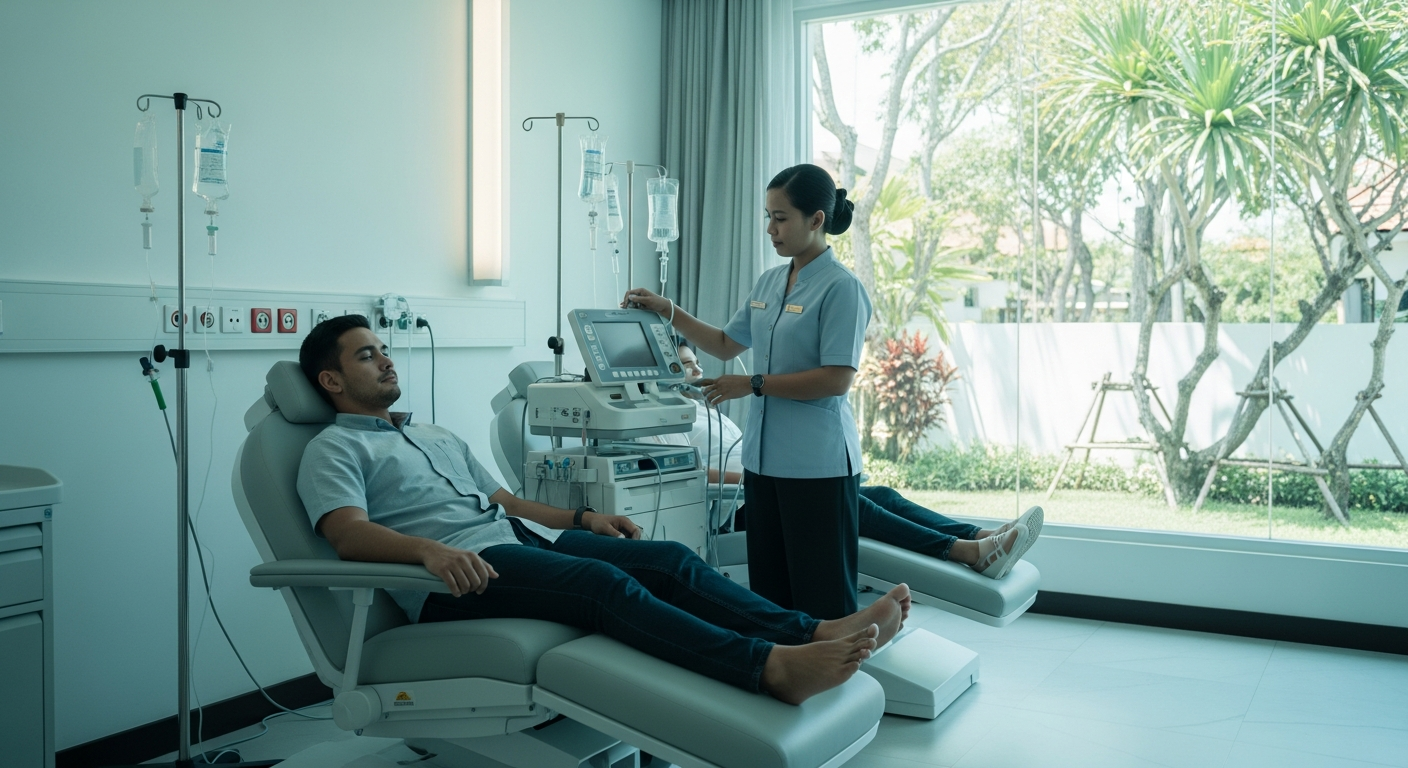
A new era of health travel unfolds in Indonesia. Patients arrive seeking transformative care, drawn by a convergence of advanced medical expertise and the promise of a restorative environment. This is not simply treatment; it is a meticulously orchestrated journey towards well-being, defined by precision, innovation, and an unwavering commitment to international standards.
The Ascent of Medical Tourism Indonesia: A Global Standard Emerges
Indonesia establishes itself as a significant player in global health tourism. The government’s strategic initiatives, particularly the establishment of the Sanur Medical Special Economic Zone (SEZ), signal a clear commitment to elevating healthcare infrastructure and services. This dedication attracts international patients from Singapore, Australia, the USA, and Europe, seeking high-quality, affordable medical interventions.
In 2022, the Indonesian Ministry of Health reported a significant increase in medical tourism inquiries, with projections for patient numbers to double by 2027. The focus remains on delivering excellence across various specialties, ensuring facilities meet stringent international benchmarks. Jakarta, Surabaya, and Yogyakarta complement Bali as primary medical corridors, hosting advanced hospitals accredited by national and international bodies.
Accreditation by organizations like the Joint Commission International (JCI) is a cornerstone of this growth. Several Indonesian hospitals now hold JCI certification, confirming adherence to global patient safety and quality standards. For instance, Siloam Hospitals Group, with over 40 facilities nationwide, invests heavily in technology and specialist training, positioning Indonesia as a reliable medical destination. The average cost for a dental implant in Indonesia, for example, can be 50-70% less than in Western countries, without compromising material quality or expertise. This affordability factor, paired with a sophisticated medical infrastructure, appeals directly to value-conscious international clients.
The government’s commitment extends to streamlining visa processes for medical tourists, ensuring a seamless entry and stay. The Medical Tourism Indonesia initiative, supported by the Ministry of Tourism and Creative Economy, actively promotes the nation’s capabilities, showcasing its expert physicians and state-of-the-art equipment. Patients discover a healthcare system ready for their complex needs, from elective surgeries to long-term regenerative therapies. This structured approach underpins Indonesia’s rise, inviting a deeper look into specific treatment areas and regional specializations.
Sanur Medical SEZ: Bali’s New Frontier in Health and Wellness
The Kawasan Ekonomi Khusus (KEK) Kesehatan Bali, located in Sanur, represents a pivotal development for medical tourism in Indonesia. This dedicated 41.26-hectare zone, launched in 2022, is designed to house world-class medical facilities, health research centers, and wellness retreats. Its strategic location in Bali, known for its serene environment, offers a unique blend of recovery and rejuvenation. The SEZ anticipates attracting over 200,000 international medical tourists annually by 2030, generating substantial foreign exchange revenue.
At the heart of the Sanur SEZ is the Bali International Hospital, a collaboration with Mayo Clinic in the USA, scheduled for full operation in late 2024. This facility focuses on advanced treatments, including regenerative medicine, stem cell therapy, and complex cardiovascular procedures. Patients access cutting-edge diagnostics and therapies, often unavailable or prohibitively expensive elsewhere. For example, a complete stem cell therapy package for certain orthopedic conditions here starts at approximately USD 8,000, a significant saving compared to global averages exceeding USD 25,000.
Beyond clinical treatments, the Sanur SEZ integrates holistic wellness. Dedicated centers offer detox programs, traditional Ayurveda therapies, and comprehensive anti-aging protocols. These programs leverage Bali’s natural resources and ancient healing traditions, providing a complementary approach to medical recovery. The zone includes luxury accommodations, rehabilitation facilities, and direct access to serene beaches, creating an environment conducive to rapid healing. Patients undergoing IVF treatments, for instance, find the tranquil surroundings of Sanur ideal for managing stress and enhancing overall well-being. The success rates for IVF in leading Indonesian clinics align with international benchmarks, often reaching 40-50% for women under 35.
The Indonesian government provides significant incentives for investors and operators within the SEZ, ensuring continuous upgrades in technology and medical expertise. This commitment guarantees that facilities like the Sanur International Hospital remain at the forefront of medical innovation. The zone operates under strict regulatory frameworks from the Ministry of Health, ensuring all practitioners are highly qualified and internationally recognized. This robust oversight provides confidence for international patients considering medical tourism Indonesia as their preferred destination for advanced care and restorative wellness. You can learn more about the Sanur SEZ on the Wikipedia page for Special Economic Zones of Indonesia.
Advanced Treatments & Specialties: Precision Across Indonesia
Indonesia’s medical tourism landscape offers a sophisticated spectrum of treatments, moving beyond general care to specialized, high-demand procedures. Dental care remains a cornerstone, attracting thousands annually. Clinics in Jakarta and Bali, such as BIMC Hospital Bali and Dental Clinic Jakarta, utilize CAD/CAM technology for same-day crowns and offer comprehensive implant solutions. A full mouth dental implant procedure, including abutments and crowns, can be performed for an average of USD 15,000, contrasting with typical costs of USD 40,000 in Australia or the USA.
Cosmetic surgery is another rapidly growing segment. Patients seek procedures ranging from rhinoplasty and blepharoplasty to liposuction and breast augmentation. Leading surgeons in Surabaya and Jakarta operate in modern facilities, adhering to strict international safety protocols. The average cost for a breast augmentation procedure in Indonesia is around USD 4,500, significantly lower than the USD 8,000-10,000 seen in many Western countries. These clinics often provide integrated recovery packages, including post-operative care and luxury accommodation, enhancing the overall patient experience.
Regenerative medicine and stem cell therapies represent the cutting edge of Indonesian medical tourism. Facilities in the Sanur SEZ and select hospitals in Jakarta offer treatments for conditions like osteoarthritis, neurological disorders, and anti-aging protocols. These therapies involve utilizing autologous (patient’s own) stem cells, minimizing rejection risks. Clinical trials and treatments are conducted under strict ethical guidelines set by the Indonesian Ministry of Health. For instance, stem cell therapy for knee osteoarthritis shows promising results in reducing pain and improving mobility, with initial treatment courses typically lasting 3-5 days.
IVF (In Vitro Fertilization) clinics across Indonesia, particularly in Jakarta and Bali, boast high success rates, comparable to leading global centers. They provide comprehensive fertility solutions, including ICSI, PGD/PGS, and egg freezing. The cost of a single IVF cycle in Indonesia averages USD 3,500-5,000, making it an accessible option for international couples. Additionally, wellness retreats and detox programs, often incorporating traditional Indonesian healing practices like Ayurveda, are integrated into post-procedure recovery or as standalone health journeys. These programs, found in regions like Yogyakarta and Ubud, focus on holistic well-being, stress reduction, and nutritional guidance. Learn more about Indonesia’s diverse offerings on Indonesia.travel.
Navigating Certifications & Quality Assurance: Your Safety Framework
Patient safety and clinical excellence form the bedrock of medical tourism in Indonesia. The government, through the Ministry of Health, implements rigorous regulatory frameworks to ensure all medical facilities and practitioners meet international standards. This commitment builds trust among international patients from discerning markets like Singapore, Australia, and the EU.
A significant number of hospitals catering to international patients hold Joint Commission International (JCI) accreditation. JCI is the global leader in healthcare quality and patient safety, evaluating over 1,000 organizations worldwide. Hospitals like Siloam Hospitals Semanggi (Jakarta) and Premier Bintaro Hospital (Tangerang, near Jakarta) maintain JCI certification, signifying their adherence to over 1,200 measurable elements covering everything from infection control to patient rights and surgical safety. This accreditation requires re-evaluation every three years, ensuring continuous improvement and compliance.
Beyond JCI, the Indonesian National Accreditation Committee for Hospitals (KARS) provides local accreditation, aligning with global benchmarks. KARS-accredited facilities demonstrate high standards in patient care, management, and clinical outcomes. All medical professionals, including doctors, dentists, and nurses, must be licensed by the Indonesian Medical Council (Konsil Kedokteran Indonesia) and hold valid practice permits. Many specialists pursuing medical tourism patients possess international fellowships or training from countries like the USA, Europe, or Australia, adding another layer of expertise. For example, a plastic surgeon performing cosmetic procedures typically has 10-15 years of post-specialization experience.
Clinics offering specialized services, such as regenerative medicine or IVF, operate under specific governmental licenses and ethical guidelines. The Indonesian Ministry of Health closely monitors the use of advanced technologies and therapies to ensure patient safety and efficacy. Patients receive transparent information regarding treatment plans, potential risks, and expected outcomes, fostering informed decision-making. Medical Tourism Indonesia works exclusively with government-licensed clinics and hospitals that demonstrate a clear commitment to these high standards, offering peace of mind to those seeking care abroad. This structured approach to quality assurance distinguishes Indonesia as a reliable and safe destination for medical interventions.
Planning Your Medical Journey: Logistics and Support Systems
Undertaking a medical journey in Indonesia involves careful planning, but comprehensive support systems ensure a seamless and stress-free experience. From initial consultation to post-procedure recovery, every step is designed for the international patient’s convenience. Our Medical Tourism Indonesia platform serves as your central resource, guiding you through the process.
The first step involves a remote consultation. Patients submit medical records, diagnostic images, and a detailed health history. Our medical coordinators then facilitate virtual appointments with specialized Indonesian physicians. These consultations clarify treatment options, provide personalized recommendations, and offer transparent cost estimates. For instance, a detailed dental treatment plan, including X-rays and proposed procedures, is typically provided within 48 hours of receiving patient data. This pre-travel communication builds confidence and allows for informed decision-making.
Travel logistics are streamlined for medical tourists. Indonesia offers visa-on-arrival for citizens of many countries, with specific medical visas available for longer stays or complex treatments. Direct flights connect major international hubs like Singapore, Sydney, and Amsterdam to Jakarta and Denpasar (Bali). We assist with flight bookings, airport transfers, and arranging luxury accommodation near your chosen medical facility. Options range from five-star hotels with medical concierge services to private villas offering discreet recovery environments. A dedicated medical concierge is available 24/7 to assist with language interpretation, appointment scheduling, and personal needs throughout your stay. This personalized support system is crucial for patients from diverse linguistic and cultural backgrounds.
Post-procedure care and recovery are integral to the medical tourism experience. Facilities provide detailed discharge instructions, medication management, and follow-up consultation schedules. Many patients choose to extend their stay for a wellness retreat, leveraging Bali’s serene environment for recuperation. Programs involving gentle yoga, meditation, and nutritional therapy enhance healing. For example, a two-week post-surgery recovery package at a luxury wellness resort in Ubud might include daily physio sessions and organic meal plans. Our network ensures continuity of care, even after you return home, with remote follow-up options available. This holistic approach to patient care underscores the value proposition of medical tourism in Indonesia.
Premier Destinations: Jakarta, Surabaya, Yogyakarta Medical Corridors
While Bali’s Sanur Medical SEZ garners significant attention, Indonesia’s other major cities—Jakarta, Surabaya, and Yogyakarta—also serve as established medical tourism corridors, each offering distinct advantages and specialized healthcare services. These cities host a robust network of government-licensed hospitals and clinics, catering to a wide range of medical needs, from advanced diagnostics to complex surgical interventions.
Jakarta, as the nation’s capital, boasts the highest concentration of internationally accredited hospitals. Facilities like Medistra Hospital and Pondok Indah Hospital are renowned for their cardiology, oncology, and neurology departments. These institutions utilize cutting-edge medical technology, including advanced MRI and CT scanners, and employ specialists trained in leading global medical centers. For instance, a complex cardiac bypass surgery in Jakarta can cost approximately USD 12,000, significantly lower than the USD 50,000-100,000 in the USA. Jakarta’s extensive infrastructure also provides a wealth of luxury accommodation and cultural experiences for accompanying family members, making it a comprehensive destination for medical travel.
Surabaya, the second-largest city, is emerging as a strong contender, particularly for dental and cosmetic surgery. Hospitals such as Mitra Keluarga Surabaya and National Hospital Surabaya offer state-of-the-art operating theaters and highly skilled surgeons. The city is strategically located for patients from Eastern Indonesia and Australia, providing direct flight access. Surabaya’s medical facilities are known for their efficiency and patient-centric approach, often providing shorter waiting times for specialized procedures. Many clinics here offer comprehensive cosmetic packages, including pre-operative consultations, surgery, and post-operative care, with an average facelift procedure costing around USD 5,000.
Yogyakarta, a cultural heartland, combines quality medical care with a tranquil environment ideal for recovery and wellness. Hospitals like Sardjito Hospital, affiliated with Gadjah Mada University, offer specialized treatments and research facilities. The city is particularly strong in traditional and complementary medicine, integrating modern diagnostics with ancient healing practices like Ayurveda and Javanese herbal medicine. Patients seeking detox programs or post-operative rehabilitation in a serene setting often choose Yogyakarta. Its proximity to UNESCO World Heritage sites like Borobudur and Prambanan provides a unique opportunity for cultural enrichment during recovery. You can find out more about these sites on UNESCO’s Indonesia page.
These cities collectively broaden the scope of medical tourism in Indonesia, offering diverse options for international patients. Each corridor maintains stringent quality controls and adheres to national health regulations, ensuring consistent high standards across the archipelago.
Your health journey in Indonesia defines a new standard of care, where world-class medical expertise meets unparalleled value. From the advanced regenerative therapies in Bali’s Sanur SEZ to the precision dental work in Jakarta, our network of government-licensed clinics and hospitals stands ready. Explore your options, connect with our specialists, and begin your path to wellness. Visit our homepage for a personalized consultation and discover why Medical Tourism Indonesia is your definitive choice for health excellence. For more information on specific treatments, please explore our services at /ivf-fertility-treatment-indonesia/ or /cosmetic-surgery-indonesia/.